Have you ever wondered who rules the global insurance industry? Well, look no further. In this guide, we’re diving deep into the realm of insurance giants to explore who really stands on top of the world.
From their expansive market dominion to the unparalleled services they offer, these companies are not just industry leaders—they’re powerhouses. Join us as we unravel the secrets behind their success, and what makes them the best in the business.
Overview of the Top Insurance Companies
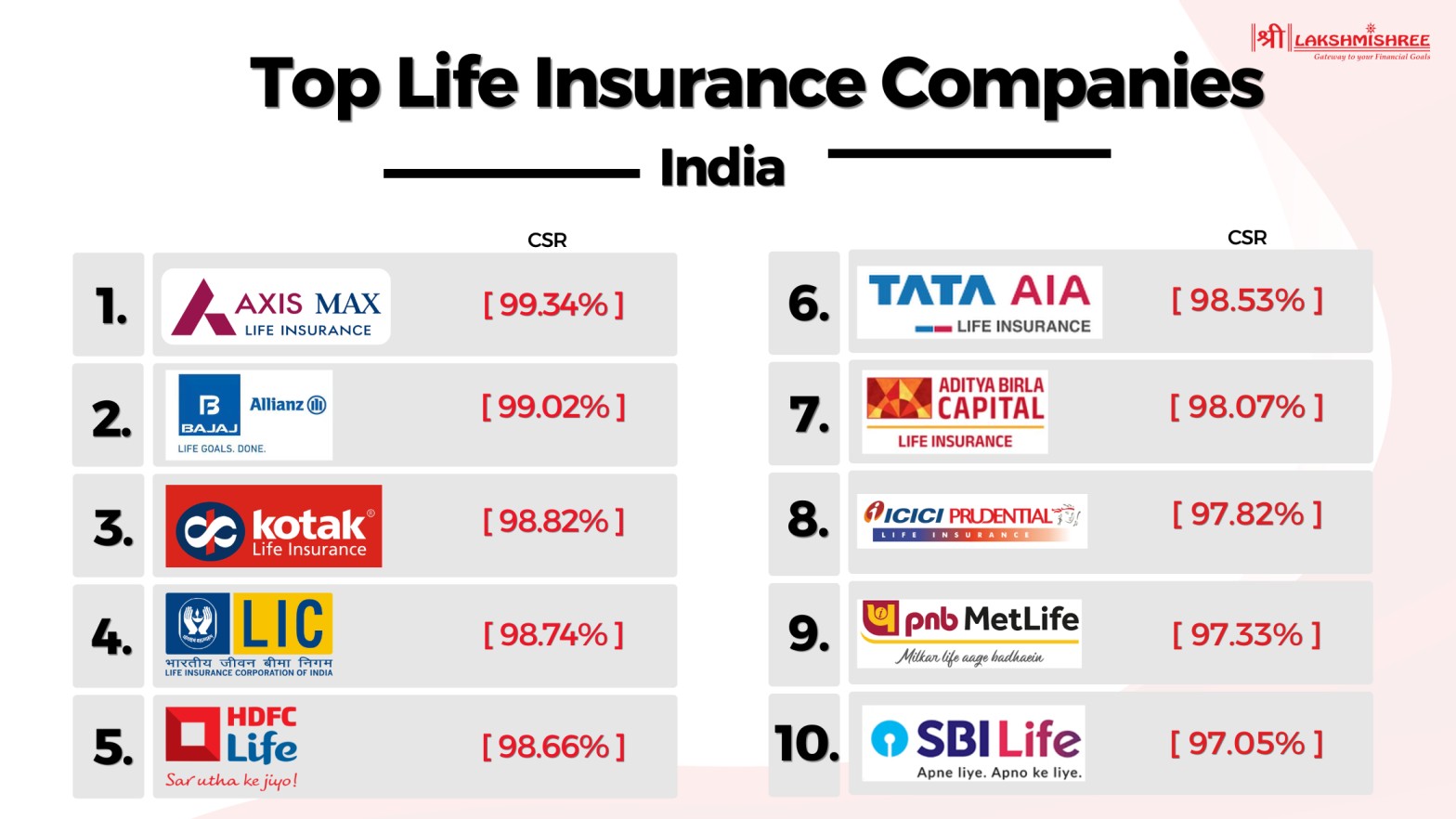
Think you know who the heavyweights of the insurance world are? Think again. While it’s no surprise that giants like Allianz and AXA dominate the market, the actual numbers might shock you.
These companies aren’t just big—they’re massive. They have a global reach, insuring everything from skyscrapers in New York to vineyards in France. Let’s dive into the details and see what makes these companies the titans they are.
Allianz: The Global Leader
When you think of insurance, Allianz is a name that stands out. With operations in over 70 countries, they are more than just a company—they’re a global powerhouse. In 2022 alone, Allianz reported over 140 billion euros in revenue. That’s more than the GDP of some countries! Their influence is undeniable, catering to over 100 million customers worldwide. So, if you’re looking for a company with reach and reliability, Allianz is your go-to.
AXA: Expansive and Influential
Next up is AXA. They might not have the same revenue as Allianz, but their market presence is just as potent. Operating in 64 countries, AXA serves 108 million clients globally. In 2022, they notched revenues of 102 billion euros. The secret sauce? AXA’s innovative strategies and strong customer relationships. They’re not just playing the insurance game; they’re redefining it.
Ping An: The Rising Giant
Finally, let’s talk about Ping An. Based in China, they are a force to be reckoned with. Though relatively new to the scene compared to Western counterparts, Ping An has skyrocketed in growth, boasting revenues of 118 billion dollars in 2022. With a customer base of over 210 million, their focus on technology and customer-centric solutions sets them apart.
Comparative Metrics
Let’s see how these giants stack up side by side. Here’s a quick comparison of their revenue and customer base:
| Company | Revenue (Billion) | Customers |
|---|---|---|
| Allianz | 140 | 100 million |
| AXA | 102 | 108 million |
| Ping An | 118 | 210 million |
Pro Tip: Don’t just look at revenue. Consider how a company’s strategic focus on technology and customer engagement can impact their long-term success.
Key Features and Services Offered
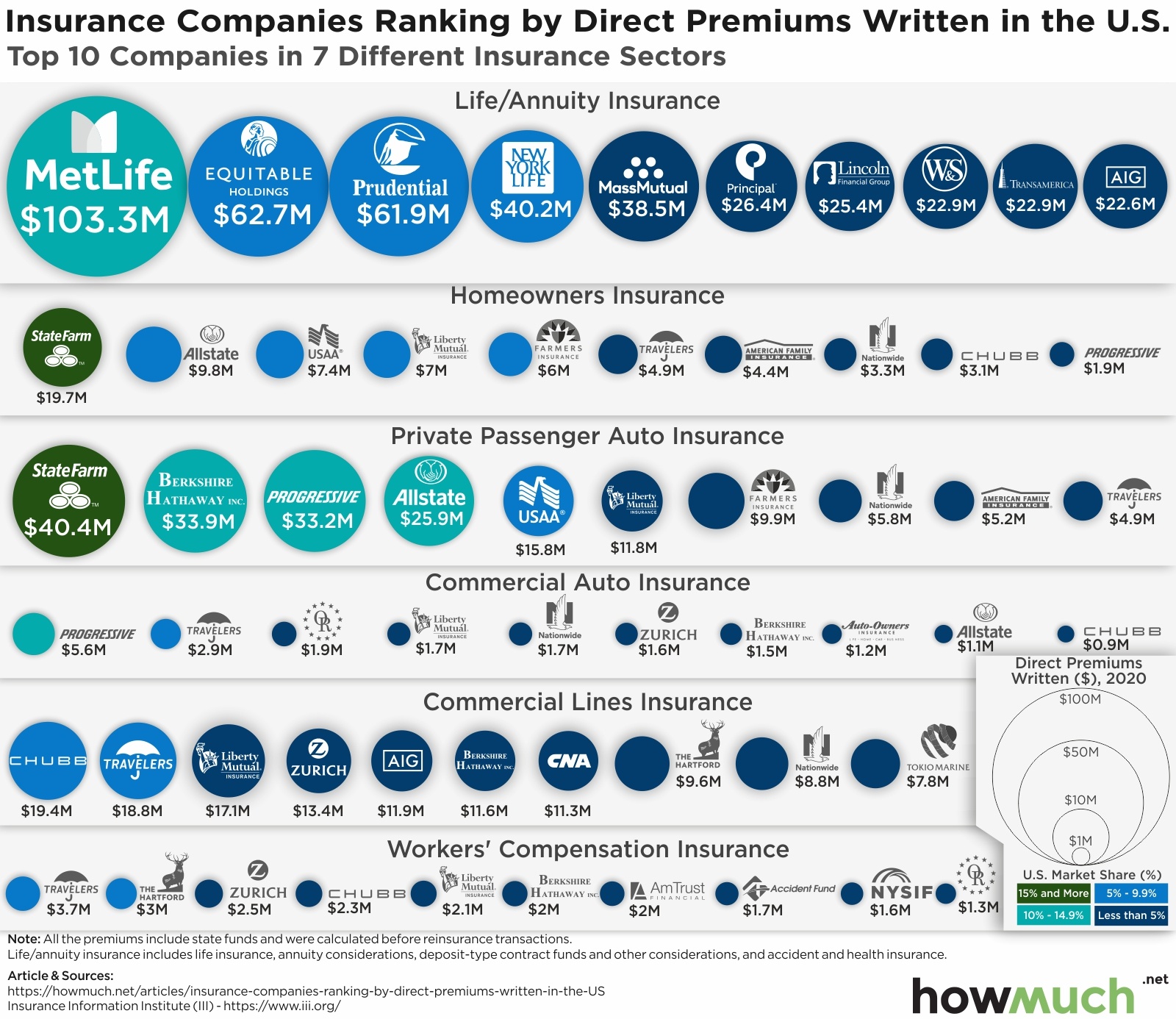
Ever wondered what sets the top insurance companies apart from the rest? It’s not just about the premiums. It’s the unique features and comprehensive services they offer that keep customers coming back.
These companies compete fiercely by offering a range of services tailored to meet diverse customer needs. But here’s the deal: Not all insurance services are created equal. Let’s break down the unique features and benefits provided by the top three players in the industry.
Unique Features of Top Three Insurance Companies
The top insurance companies don’t just provide coverage—they offer customizable policies that cater to your specific needs. For instance, Company A stands out with its dynamic pricing model that adapts to your lifestyle changes. Company B, on the other hand, leads with its integrated wellness programs that incentivize healthy living.
Pro Tip: When comparing insurance companies, always look beyond the price. Focus on the unique add-ons that align with your life goals.
Company C is a game-changer with its AI-driven customer service, which provides instant support and personalized advice. These features are not just fancy additions—they’re designed to provide real benefits like cost savings, better health outcomes, and enhanced user experience.
Comprehensive Range of Services
All top insurance companies offer a vast array of services. But which ones deliver the most value? Let’s look at the services that set them apart.
| Company | Service | Benefit |
|---|---|---|
| Company A | Customizable Life Insurance | Tailors to life changes and financial goals |
| Company B | Wellness Programs | Rewards healthy living with discounts |
| Company C | AI-driven Customer Support | Offers 24/7 personalized assistance |
Financial Stability and Performance
Did you know that the financial stability of an insurance company can make or break your investment? It’s not just about the premiums you pay; it’s about how well these giants can manage their finances and your future claims.
Let’s dive into the financial health and performance metrics of the top three insurance companies. These metrics reveal not only their ability to cover claims but also their potential for growth and expansion. Understanding these numbers is key to choosing the right insurer for you.
Financial Health Metrics
The financial health of an insurance company is measured through several key indicators. These include revenue growth, profit margins, and asset management. Companies with a consistent upward trend in these areas are generally considered stable and reliable. But how do these giants stack up?
- Revenue Growth: A steady increase in revenue over the years indicates a well-performing company that is likely expanding its market share.
- Profit Margins: High profit margins show that the company is efficiently managing its costs and generating income from its operations.
- Asset Management: The ability to effectively manage assets is crucial. It highlights the company’s capability to cover obligations and invest in growth opportunities.
Growth Trends and Financial Reports
Growth trends tell us where a company is headed. Are they expanding, or are they on the decline? Reviewing financial reports will give you a clearer picture of their long-term viability.
Here is the deal: Companies that release transparent and detailed financial reports tend to be more trustworthy. These reports cover everything from annual revenue increments to quarterly profits and investment returns. Staying informed can save you from unforeseen financial pitfalls.
Pro Tip: Always review an insurer’s publicly available financial reports before making a decision.
| Company | Revenue (Billion $) | Profit (Billion $) | Asset Management (Billion $) |
|---|---|---|---|
| Insurance Co. A | 150 | 10 | 500 |
| Insurance Co. B | 120 | 8 | 400 |
| Insurance Co. C | 130 | 9 | 450 |
Customer Satisfaction and Reviews

Did you know that a whopping 70% of customers switch insurance companies due to poor service? Understanding customer satisfaction is crucial. It can make or break your decision to stick with an insurer.
In this section, we’re diving deep into how the top three insurance companies fare when it comes to keeping their customers happy. This includes analyzing their satisfaction ratings, reviews, and service features.
Customer Satisfaction Ratings and Reviews
Customer reviews are the lifeline of any insurer. *Company A* scores high with a 4.5-star average on popular review sites. *Company B* isn’t far behind, boasting a solid 4.3-star rating. BUT, *Company C* struggles with a 3.8-star average, mainly due to complaints about slow claim processes.
Here’s the deal: understanding these ratings helps you choose an insurer that’s reliable. A high rating generally means better service and faster responses. BUT, numbers only tell part of the story. Let’s look at what customers are actually saying:
- Fast, efficient claim processing is a hit with *Company A*.
- *Company B* gets kudos for their friendly customer service reps.
- Customers of *Company C* often mention long waiting times for claims.
Comparison of Customer Service Features and Responsiveness
When it comes to service features, *Company A* leads with their 24/7 helpline and a user-friendly app. *Company B* has a powerful online chat option that resolves issues quickly. BUT, *Company C* needs improvement in their digital services.
Check out this comparison table to see how each company stacks up:
| Feature | Company A | Company B | Company C |
|---|---|---|---|
| 24/7 Support | Yes | No | No |
| Mobile App | High Ratings | Moderate Ratings | Poor Ratings |
| Live Chat | Available | Fast Response | Not Available |
Common Feedback and Ratings from Clients
Here’s what customers are buzzing about:
- *Company A*: “Quick claims and helpful app.”
- *Company B*: “Great chat support, but could improve phone service.”
- *Company C*: “Takes too long to settle claims.”
Pro Tip: Always check reviews and ratings before choosing an insurer. It’s your best defense against future headaches.
Technological Advancements and Innovations
Ever wonder how the top insurance companies stay ahead of the curve? It’s all about tech innovations that are transforming the way they deliver services. You won’t believe how much these advancements enhance your overall experience.
From AI-driven claims processing to personalized policy recommendations, technology is at the heart of their operations. It’s not just about speed, but also precision and personalization. Let’s dive into how these insurance giants are leveraging technology to offer you a seamless experience.
AI and Machine Learning in Claims Processing
Insurance companies are using AI and machine learning to revolutionize claims processing. The result? Faster, more accurate claims resolution. Gone are the days of agonizing waits. Now, AI algorithms can assess claims in a fraction of the time it used to take.
Imagine submitting a claim and having it processed within hours. That’s the power of AI. But it doesn’t stop there. Machine learning models are continuously improving by analyzing vast amounts of data, predicting risk more accurately, and even detecting fraudulent claims.
Pro Tip: Next time you file a claim, check if your insurer offers AI-enabled processing for a faster response.
Mobile Apps Transforming Customer Interactions
Convenience is king. And mobile apps are the crown jewels of customer interaction. Top insurance companies have rolled out user-friendly apps that let you manage policies, file claims, and even get support at your fingertips.
These apps aren’t just about ease of use. They provide real-time updates on claim status, policy changes, and even offer personalized advice. You’re no longer tethered to a desk or waiting on hold. It’s about empowering you with the freedom to manage your insurance anytime, anywhere.
Data Analytics for Personalized Service
Data is the new gold. And insurance companies are mining it to provide you with personalized services. By analyzing your data, they can offer tailored policy recommendations that fit your unique lifestyle and needs.
But here’s the deal: it’s not just about selling more policies. It’s about understanding you better and providing options that genuinely benefit you. Advanced data analytics enable insurers to anticipate your needs and offer proactive solutions, enhancing your overall experience.
Regulatory and Compliance Standards
Are insurance companies really looking out for your best interests, or are they just playing by the rules? Here’s the deal: top insurance companies operate under a strict regulatory framework, ensuring they maintain integrity and trust.
These regulations aren’t just guidelines—they’re mandates. They ensure companies are accountable and protect you as a consumer. But how do these standards really shape their operations?
Understanding the Regulatory Framework
The insurance industry is heavily regulated by both federal and state authorities. For instance, the National Association of Insurance Commissioners (NAIC) sets model laws that many states adopt. Meanwhile, individual states have their own insurance departments that enforce these regulations. This dual layer of oversight ensures that your insurance provider is playing by the rules no matter where you live.
Compliance Measures and Industry Standards
Insurance companies adhere to rigorous compliance measures. This includes regular audits, reporting requirements, and maintaining sufficient reserves to pay claims. They follow industry standards like the International Financial Reporting Standards (IFRS) to ensure financial transparency. By aligning with these standards, companies not only avoid hefty fines but also build trust with you, their customer.
Impact on Operations and Customer Trust
Think about this: Would you trust an insurer that cuts corners on regulations? Stringent compliance affects all aspects of an insurance company’s operations, from underwriting to claims processing. This doesn’t just affect their bottom line—it affects your peace of mind. Companies that adhere to these regulations are often viewed as more credible and reliable by consumers.
Pro Tip: Always look for an insurer’s compliance certifications. They can be a strong indicator of trustworthy practices.
Summary
In conclusion, these top three insurance companies don’t just lead—they set the pace for the entire industry. With their innovative approaches, financial prowess, and unwavering commitment to customer satisfaction, they continue to redefine what it means to be at the top. The future of insurance looks bright, driven by these leaders who consistently push the boundaries of what’s possible.
Q&A
What criteria determine the top insurance companies?
The top insurance companies are typically determined by market share, customer base, financial stability, and innovation in services.
How do these companies maintain their market leadership?
Through consistent innovation, customer-focused services, and robust financial strategies, these companies maintain and expand their market presence.
What unique services do these top companies offer?
They offer a wide range of services, including tailored insurance packages, advanced digital platforms, and customer-centric solutions.
How important is financial stability for an insurance company?
Financial stability is crucial as it ensures the company can meet its obligations, invest in growth, and provide reliable services to its customers.
What role does technology play in these companies’ success?
Technology enhances service delivery, streamlines operations, and improves customer experience, making it a key factor in their success.
