Understanding Errors and Omissions Insurance in Washington State: Key Insights and Essential Information

Imagine this: You’re a professional in Washington State, delivering exceptional service, yet one day, a single overlooked detail spirals into a legal dispute. That’s when errors and omissions insurance swoops in to save the day. It’s not just another insurance policy; it’s your safety net in the unpredictable world of business!
Navigating the complexities of errors and omissions insurance might seem daunting, but understanding its importance can be a game-changer. This guide dives into why this insurance is crucial for professionals in Washington, exploring the legal intricacies and cost factors that come with it. Let’s unravel the secrets behind securing your peace of mind.
Understanding Errors and Omissions Insurance in Washington State
Every year, thousands of professionals in Washington State face lawsuits that could sink their business. Shocking, right? That’s why errors and omissions insurance is a must-have.
Errors and omissions insurance, or E&O, is essentially a safety net for when things go south. It’s designed to protect you from client claims of negligence or mistakes in your professional services. Without it, a single lawsuit could cost you everything.
The Purpose and Importance of Errors and Omissions Insurance
Here’s the deal: E&O insurance isn’t just a “nice to have”—it’s crucial. In today’s litigious environment, even the smallest error can lead to major legal headaches. For instance, did you know that 30% of small businesses face lawsuits at some point? That’s a staggering number!
With E&O insurance, you’re safeguarded against those potentially crippling lawsuits, covering legal defense costs and settlements. This means peace of mind and the ability to continue running your business without financial doom hanging over your head.
Key Features and Coverage Specifics
So, what exactly does E&O insurance cover? It typically includes defense costs, court fees, and settlements or judgments. BUT it’s important to note that it doesn’t cover intentional wrongdoing or criminal acts. Understanding these specifics is key to choosing the right policy.
Washington State professionals should look for policies that offer tailored coverage options. For example, some policies might provide additional protections for cyber liability or even intellectual property claims. Customization is key when it comes to E&O insurance.
Pro Tip: Always read the fine print of your policy to understand what’s covered and what’s not.
Who Needs Errors and Omissions Insurance in Washington State?
Now, you might be wondering: do I need E&O insurance? If you’re a professional providing advice or services, the answer is probably YES. In Washington State, this includes everyone from real estate agents to IT consultants.
Typically, real estate professionals, lawyers, accountants, and financial advisors are the most common candidates for E&O insurance. But even graphic designers and marketing consultants can find themselves in hot water without this coverage.
Ultimately, any profession that involves providing expertise and advice can benefit from E&O insurance. It’s like having a legal guardian angel ready to swoop in when the going gets tough.
Legal Requirements and Regulations

Are you prepared for a lawsuit that could cripple your business? In Washington State, Errors and Omissions Insurance isn’t just a good idea—it’s often a legal requirement.
In Washington, specific businesses and professionals must maintain certain levels of Errors and Omissions Insurance. This helps protect against claims of negligence or inadequate work. From real estate agents to financial advisors, knowing if you’re in one of these categories is crucial.
State-Specific Regulations for E&O Insurance
The Washington State Office of the Insurance Commissioner sets forth clear guidelines for E&O insurance. Professionals in regulated industries like real estate, finance, and healthcare often need this coverage to legally operate. Failure to comply could result in fines or even loss of license.
Here’s the deal: Washington State recently updated its insurance regulations, making it easier for businesses to determine their requirements. Previously, the guidelines were a maze of legal jargon. Now, they’re more accessible, but that doesn’t mean they’re optional.
Legal Obligations for Businesses and Professionals
For many, having Errors and Omissions Insurance isn’t just about staying safe—it’s a legal obligation. In Washington, the law requires that certain professionals carry E&O insurance to protect consumers and maintain industry standards. Without it, you’re not just risking your reputation; you’re risking your business.
Step #1: Identify if your industry has mandated E&O coverage. Step #2: Ensure your policy meets the state’s minimum requirements. This isn’t just a box to check—it’s essential for legal compliance and operational integrity.
Pro Tip: “Consult with an insurance expert to customize your E&O policy, ensuring you’re not overpaying for unnecessary coverage.”
Recent Changes to Washington State’s Insurance Regulations
In 2023, Washington State rolled out new regulations that streamline the E&O insurance process. The updates aim to reduce administrative burdens and clarify compliance needs. These changes are part of a state-wide initiative to enhance business operations and consumer protection.
But why does this matter to you? Because understanding these changes can mean the difference between seamless operations and costly legal battles. Update your policy now to avoid any future compliance issues.
Cost Factors and Premium Determination
Did you know that the cost of errors and omissions insurance can vary wildly depending on your profession in Washington State? It’s true, and understanding why can help you save big on your premiums.
Here is the deal: several key factors influence how much you’ll pay for E&O insurance. These include your business type, the level of coverage you choose, and even your claims history. But don’t worry, I’m going to break it down for you step by step.
Factors Affecting E&O Insurance Costs
Let’s dive in. The type of business you run is a huge factor. Professionals like real estate agents or financial advisors often pay more because they’re at higher risk of being sued. Your coverage level also impacts cost: the more coverage you want, the more you’ll pay.
But that’s not all. Your location within Washington State can also play a role. Busy cities like Seattle may have higher premiums due to increased risk. Your claims history is another critical factor. If you’ve had several claims, expect your premiums to rise.
Pro Tip: Maintain a clean claims history to keep your premiums low.
Let’s look at how these factors come together:
| Profession | Average Premium | Coverage Level |
|---|---|---|
| Real Estate Agent | $1,200/year | $1 Million |
| Financial Advisor | $1,500/year | $1 Million |
| Consultant | $900/year | $500,000 |
As you can see, costs can vary significantly depending on your industry. Real estate agents and financial advisors typically have higher premiums compared to consultants. This table is just a snapshot, but it gives you an idea of what to expect in Washington.
Claims Process and Management
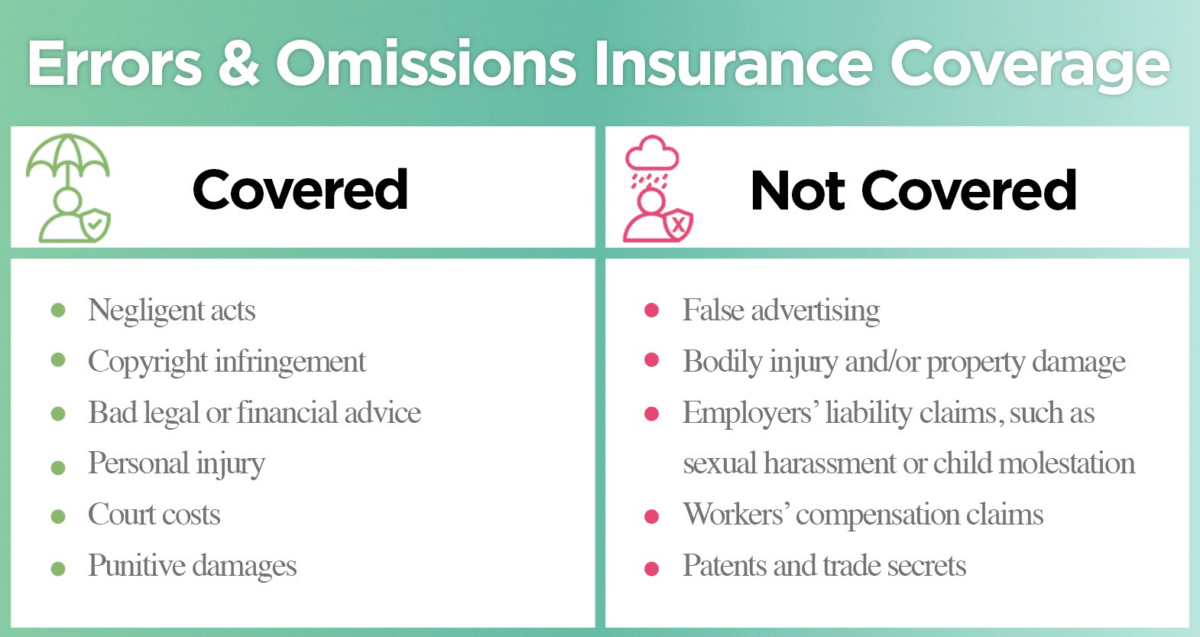
Ever wondered what happens when you need to file an errors and omissions (E&O) claim? The process can be daunting, but it’s crucial to understand the steps to protect your business.
The real kicker? Most businesses are unprepared for the claims process. Here is the deal: With some straightforward steps, you can navigate this easily.
Step-by-Step Procedure for Filing a Claim
Filing a claim under E&O insurance involves several critical steps. Step #1: Notify your insurer as soon as a potential claim arises. This notification should include all relevant details to get the ball rolling. Step #2: Gather and submit documentation. You’ll need to provide your insurer with all supporting documents—contracts, emails, and pertinent communications. Step #3: Review with your claims adjuster. Your adjuster will assess the claim’s validity and guide you through any additional requirements. Step #4: Resolution and settlement. Once the claim is approved, the insurer will handle payouts and settlements.
| Step | Action | Timeframe | Responsibility |
|---|---|---|---|
| Step #1 | Notify Insurer | Immediately | Insured |
| Step #2 | Submit Documentation | Within 1 week | Insured |
| Step #3 | Review with Adjuster | 1-2 weeks | Insurer |
| Step #4 | Resolution and Settlement | Varies | Insurer |
Common Reasons for Claims and Management Strategies
Why do E&O claims happen? Most claims arise from miscommunication or errors in deliverables. But don’t panic—effective management strategies can save the day. First, communicate clearly with clients to set realistic expectations. Second, maintain detailed records of all client interactions. This documentation can be a lifesaver if a claim is filed. Finally, review and update your procedures regularly to minimize the risk of future claims.
Pro Tip: Use a project management tool to keep track of all communications and deliverables in one place.
Benefits of Having Errors and Omissions Insurance

Did you know that a simple mistake could cost your business thousands? If you’re a professional in Washington State, Errors and Omissions Insurance is your safety net.
Having this insurance is like having a guardian angel that shields you from the unforeseen. It’s not just a policy—it’s peace of mind. Here’s the deal: without it, you’re exposed to potential lawsuits that could cripple your business.
Protection from Financial Loss
Errors and Omissions Insurance can save your business from financial disaster. Imagine a scenario where a small oversight leads to a client suing you for damages. Your insurance steps in to cover legal fees and settlements, keeping your business intact.
Picture this: A marketing consultant in Seattle made a small error in an ad campaign, resulting in a client’s product coming under scrutiny. Thanks to E&O insurance, the consultant was covered for legal fees and was able to maintain their reputation without financial strain.
Boosts Client Confidence
When clients know you have E&O insurance, their confidence in your services skyrocket. Why? Because it shows that you are serious about accountability and are prepared to address any issues that may arise. This can be a crucial differentiator in competitive markets.
Pro Tip: Mentioning your E&O coverage in client pitches can be a deal-closer. It assures clients that you have their best interests at heart and are prepared for any eventuality.
Case Studies from Washington Professionals
“I couldn’t have imagined that a minor miscommunication would lead to a lawsuit. E&O insurance was my lifeline—it covered my legal expenses and saved my business,” says a Seattle-based financial advisor.
“As a tech consultant, it was crucial to have E&O coverage. When a client’s data was accidentally compromised, my insurance handled the fallout, and my business didn’t miss a beat,” shares another professional from Spokane.
Selecting the Right Insurance Provider
Did you know that selecting the wrong insurance provider could cost you thousands of dollars? That’s why finding the right errors and omissions insurance provider in Washington State is crucial for your business.
Here’s the deal: not all insurance providers are created equal. Some offer better coverage, more responsive customer service, and competitive pricing. But how do you sift through the options to find the best one for your needs?
Criteria for Evaluating Insurance Providers
First, you want to evaluate the financial stability of the provider. A company that’s financially sound will be able to pay out claims without delay. Look for providers with top ratings from agencies like A.M. Best or Moody’s. Next, assess their customer service. How quickly do they respond to inquiries and claims? Check online reviews and ask for recommendations. Don’t forget to consider the coverage options. Ensure they offer comprehensive coverage that aligns with the specific risks of your industry.
Recommended Providers in Washington State
In Washington State, some providers stand out for their service and coverage. Here’s a list of insurers you should consider:
- Chubb: Known for excellent customer service and robust coverage options.
- Travelers: Offers flexible policies and comprehensive coverage suitable for various industries.
- Hiscox: Specializes in small business insurance with customizable plans.
- Berkshire Hathaway GUARD Insurance Companies: Provides competitive rates and solid financial backing.
Pro Tip: Always check if the provider has a local presence in Washington State. Local agents can offer invaluable insights and assistance.
The Importance of Comparing Policies
Let’s get one thing straight: not comparing policies is a rookie mistake. Each insurer has different terms, limits, and exclusions. Use comparison tools or consult a broker to see how different policies stack up. Focus on the coverage limits and deductibles, and don’t overlook any exclusions that might leave you exposed to risks.
Final Thoughts
In the fast-paced professional landscape of Washington State, errors and omissions insurance stands as a formidable ally. Protecting your business and reputation from unexpected legal challenges is not just smart—it’s essential. As you consider your options, ensure you choose a provider and policy that align perfectly with your unique needs. Stay proactive, stay protected!
FAQ
What is the purpose of errors and omissions insurance in Washington State?
Errors and omissions insurance provides financial protection against claims of negligence or inadequate work by covering legal costs and potential settlements.
Who typically needs errors and omissions insurance in Washington?
Professionals such as real estate agents, consultants, and financial advisors commonly require this insurance to safeguard against professional liability claims.
Are there legal requirements for errors and omissions insurance in Washington?
While not mandated for all professions, certain industries in Washington may require this insurance to comply with state regulations or contractual obligations.
How is the cost of errors and omissions insurance determined?
Factors such as the professional’s industry, coverage level, and claims history influence the premium rates for errors and omissions insurance.
What steps are involved in filing a claim?
The claims process generally involves notifying the insurer, providing documentation, and cooperating during the investigation to resolve the claim efficiently.
Why compare errors and omissions insurance providers?
Comparing providers ensures you get the best coverage tailored to your specific needs, balancing cost with comprehensive protection.