Picture this: your small business is humming along, sales are up, and you’re ready to conquer the world. But then, disaster strikes—a customer slips in your store, or a fire damages your equipment. What now? That’s where the magic of insurance comes in, and if you’re not armed with the right knowledge, these mishaps could turn your dream business into a nightmare.
In this guide, we’re diving straight into the heart of small business insurance. We’re talking about the big three: commercial general liability insurance, property insurance, and business interruption insurance. These aren’t just buzzwords—they’re your best allies in safeguarding your hard-earned business. So, buckle up as we unpack the essentials with the no-nonsense style of Backlinko.
Understanding Three Key Insurance Types for Small Businesses

Did you know that 40% of small businesses will experience a property or general liability claim in the next 10 years? That’s a staggering statistic. Insurance can be the difference between staying afloat and sinking.
As a small business owner, you need to protect your assets. Understanding the right types of insurance is crucial to safeguarding your livelihood.
The Importance of Commercial General Liability Insurance
Commercial General Liability Insurance is like your business’s shield against potential threats. It covers everything from legal expenses to medical bills if someone gets injured on your premises. Think of it as your first line of defense against lawsuits.
But here’s the deal: This type of insurance doesn’t just protect against physical accidents. It also covers you against claims related to advertising injuries, like copyright infringement or defamation.
Pro Tip: Always review your policy limits to ensure they’re adequate for your business needs.
The Necessity of Property Insurance for Small Business Owners
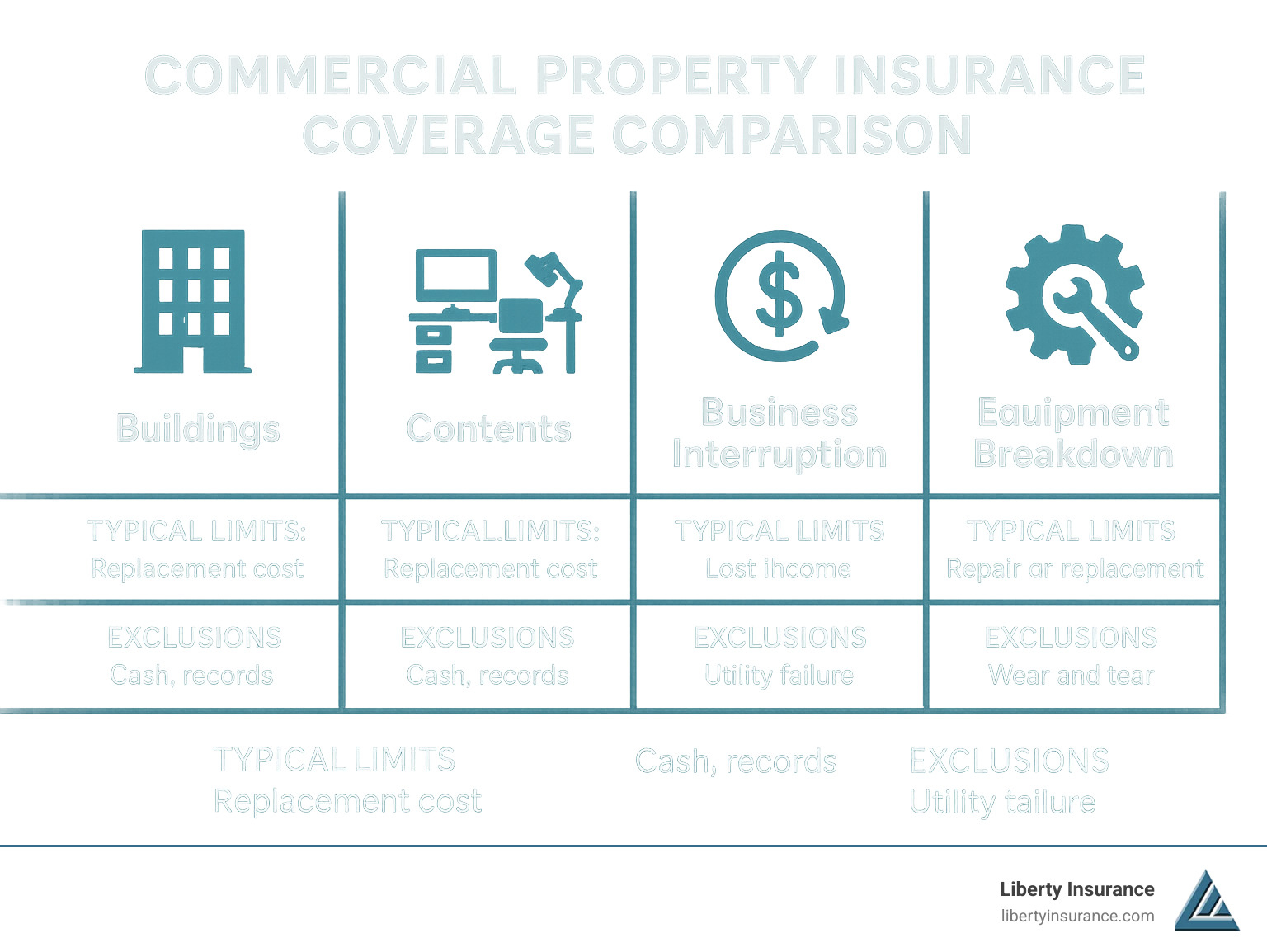
Your business’s physical assets—like buildings, equipment, and inventory—are essential. Property Insurance ensures that you’re protected from theft, fire, and other disasters.
But it’s not just about replacing what’s lost. This insurance also covers the cost of repairs, helping you bounce back faster.
Here’s what you need to know: You can even extend this coverage to include natural disasters like earthquakes and floods, but it often requires a separate policy.
Pro Tip: Conduct a yearly review of your assets to keep your coverage up to date.
The Role of Business Interruption Insurance in Protecting Small Businesses
Imagine your business had to shut down temporarily. Could you survive without revenue? This is where Business Interruption Insurance steps in.
This type of insurance compensates for lost income during periods when your business can’t operate due to a covered peril.
But wait, there’s more: It can also cover operating expenses like rent and utilities, ensuring that your business remains viable during downtime.
Pro Tip: Check the waiting period clause in your policy—it determines how long you must wait before the coverage kicks in.
Benefits and Limitations of Small Business Insurance
Did you know that nearly 40% of small businesses never reopen after a disaster? Insurance can be your lifeline.
But it’s not just about safety nets. Insurance can be your business’s best investment for sustainable growth. However, navigating its limitations is crucial to avoid unpleasant surprises.
Why Comprehensive Coverage is a Game Changer
Comprehensive insurance isn’t a luxury; it’s a necessity. It protects against high-risk scenarios like theft and lawsuits. Plus, it covers potential revenue loss during downtime. The peace of mind it brings can let you focus on growing your business instead of worrying about the “what ifs”.
Common Exclusions in Policies
Not all policies are created equal. Many come with exclusions that could leave you vulnerable. For example, some policies exclude flood or earthquake damage. And unless specified, cyber threats may not be covered. Here is the deal: always read the fine print or you might face unexpected costs.
Cost Implications of Different Insurance Options
Insurance costs can vary dramatically. While basic liability insurance might save you money short-term, it may not cover all your needs. On the other hand, comprehensive packages offer extensive protection but at a higher premium.
| Type of Insurance | Average Cost | Coverage Scope |
|---|---|---|
| General Liability | $500 – $1,000 annually | Basic protection from lawsuits |
| Business Owner’s Policy (BOP) | $1,200 – $2,500 annually | Comprehensive coverage including property |
Pro Tip: Bundle your policies to get better premiums. It’s often cheaper and covers more ground.
Factors Influencing Small Business Insurance Premiums
Did you know that two businesses in the same industry can pay vastly different insurance premiums? It’s true. The cost of your small business insurance isn’t just a flat rate—it’s influenced by several key factors.
Let’s break it down. From the size of your business to your claims history, a variety of elements can affect what you pay. But don’t worry—I’ll show you how these factors work and what you can do about them.
The Role of Business Size and Industry
The size of your business plays a critical role. A larger company typically has more assets to insure and thus, may face higher premiums. Industry type is another major player. For instance, construction businesses usually pay more compared to a consultancy firm due to higher risks.
Think about it. A tech startup and a restaurant may have different potential hazards and liabilities, leading to different insurance costs. The bigger and riskier your business model, the bigger your premium. It’s almost like a direct correlation.
Impact of Claims History on Premium Calculation
Your business’s claims history is like a report card for insurance companies. A history of frequent claims can raise a red flag, resulting in higher premiums. Why? Because insurers see you as a bigger risk to cover.
Here is the deal: If you’ve maintained a clean claims record, you’re in a strong position to negotiate better rates. Prevention and proactive risk management can keep your insurance costs down.
Risk Factors That Influence Premiums
Understanding risk factors can give you a clearer picture of why your premiums are what they are. Here’s a list of what insurers typically consider:
- Location of your business
- Type of building and its safety features
- Annual revenue
- Employee count and roles
- Prior insurance coverage and gaps
Pro Tip: Conduct regular risk assessments for your business. This can help identify potential vulnerabilities that might be increasing your premium costs.
Selecting the Right Insurance Provider

Choosing the right insurance provider could make or break your small business. Did you know that 40% of small businesses never reopen after a disaster? You can’t afford to partner with just any provider.
Here is the deal: identifying a reliable insurance company is more than just comparing prices. You need to consider their reputation, customer service, and the specific needs of your business.
Criteria for Selecting a Reliable Insurance Provider
Start by looking at their financial stability. You want a provider that can pay out claims when necessary. Check their ratings on financial strength from agencies like A.M. Best or Moody’s. Next, consider the range of coverage options they offer. Does their product suite match your business needs?
Price matters, but it shouldn’t be the only factor. A cheaper policy with poor coverage is a waste of money. Look into the insurer’s reputation. Are they praised by other business owners? Customer reviews on platforms like Trustpilot can be eye-opening.
Evaluating Customer Service Quality
Customer service is crucial—especially when filing a claim. Does the provider offer 24/7 support? Test their response times by reaching out with inquiries before you commit. You want a provider that values your business and is responsive to your needs.
Pro Tip:
Look for insurers that offer a dedicated account manager. They can become your go-to contact, simplifying communication and improving your experience.
Comparison of Insurance Providers
To make an informed decision, compare providers based on coverage options, cost, and reputation. Here’s a quick comparison of popular choices:
| Provider | Coverage Options | Costs | Reputation |
|---|---|---|---|
| Provider A | Comprehensive | $$$ | Excellent |
| Provider B | Basic | $$ | Good |
| Provider C | Specialized | $$$$ | Very Good |
Remember, the right insurance provider for you will depend on your unique business needs and values.
Legal and Regulatory Considerations
Did you know that failing to comply with insurance laws could cost you your business? It’s crucial to understand the legal obligations and regulatory requirements surrounding small business insurance.
Every region has its own set of rules, and as a small business owner, you need to be on top of them. Non-compliance not only risks hefty fines but could also lead to legal issues that might sink your business before it even takes off.
Understanding Legal Obligations for Insurance Coverage
Your business isn’t just a passion project—it’s a legal entity that needs to protect itself. Most regions require small businesses to have general liability insurance at a minimum. This covers property damage and bodily injuries that your business might be responsible for. But, don’t stop there. Depending on your industry, you might need additional coverage like workers’ compensation or professional liability insurance.
Regulatory Requirements Across Different Regions
The rules are not one-size-fits-all. In some states, business insurance is more heavily regulated than in others. For example, California might require specific environmental liability coverages, while Texas could have different mandates for contractors. The key is to research your specific location and understand what’s required.
Pro Tip: Always check with a local insurance expert to ensure you’re meeting regional laws.
A failure to adhere to these regulations may result in severe penalties or, worse, the shuttering of your business.
Ensuring Compliance with Insurance Laws and Regulations
Here’s the deal: staying compliant is all about staying informed and proactive. Step #1, conduct a comprehensive audit of your current insurance policies. Are they up-to-date with current laws? Step #2, regularly consult with a legal or insurance professional to keep abreast of any changes in legislation that might affect your coverage needs.
Step #3, implement a compliance checklist that you can routinely go over to ensure you’re not missing anything crucial. This checklist should include deadlines for policy renewals, updates needed for policy adjustments, and regular reviews of your business operations for any new risks.
Case Studies of Small Business Insurance Utilization
Did you know that nearly 40% of small businesses never reopen after a disaster? This statistic underscores the importance of having the right insurance in place. Let’s dive into some real-world examples where small businesses benefited from insurance coverage.
Understanding the practical application of small business insurance can be a game-changer. By examining these case studies, you’ll see how businesses effectively used insurance to manage risks and recover from unexpected setbacks.
Effective Risk Management Through Insurance
Take the case of a family-owned bakery in Florida. When Hurricane Irma hit, their storefront suffered severe damage. They had a comprehensive business interruption insurance plan that covered lost income while repairs were underway. Thanks to this foresight, they kept paying their employees and reopened within weeks.
Now, imagine not having that safety net. It could have meant permanent closure. This bakery’s story highlights how crucial effective risk management through insurance can be for small businesses.
Insurance as a Catalyst for Business Recovery
Consider the experience of a tech start-up that fell victim to a cyber-attack. The breach compromised sensitive customer data. Their cyber liability insurance provided resources for notifying affected clients, legal defense costs, and even a PR strategy to rebuild trust. This coverage was instrumental in their swift recovery.
Here’s the deal: without insurance, the financial burden and damage to reputation might have been insurmountable.
Pro Tip: Always assess your business’s unique risks and choose insurance plans tailored to those needs. It’s not just about the premium; it’s about the potential payout.
Summary of Case Studies
Below is a summary of the highlighted case studies that demonstrate the varied applications and benefits of insurance for small businesses.
| Business Type | Incident | Insurance Outcome |
|---|---|---|
| Family-Owned Bakery | Hurricane Damage | Covered lost income and repairs, allowing quick reopening |
| Tech Start-Up | Cyber-Attack | Provided legal costs and PR strategy, enabling swift recovery |
Conclusion
As we wrap up this journey into the world of small business insurance, remember: the right coverage isn’t just a safety net; it’s a critical investment in the longevity of your business. With a keen eye on your unique needs and the right insurance partner by your side, you’re not just protecting your present; you’re securing your future. Here’s to running your business with confidence, backed by the power of smart insurance choices!
Frequently Asked Questions
What is commercial general liability insurance and why is it essential?
Commercial general liability insurance protects small businesses from financial loss due to claims of injury, property damage, and legal fees. It’s essential as it shields your business from unforeseen accidents or lawsuits.
Do I really need property insurance for my business?
Yes, property insurance is crucial for protecting your business assets such as buildings and equipment from damages caused by events like fire, theft, or vandalism.
How does business interruption insurance help small businesses?
Business interruption insurance covers lost income and operating expenses if your business is temporarily halted due to a covered event, ensuring financial stability during disruptions.
What are common limitations found in small business insurance policies?
Common exclusions can include specific types of damage like floods or earthquakes, intentional negligence, and sometimes, claims related to cyber incidents.
How do business size and industry influence insurance premiums?
Larger businesses or those in high-risk industries often face higher premiums due to increased exposure to potential claims and liabilities.
