When it comes to safeguarding your small business, insurance isn’t just a safety net—it’s your business’s best friend. Navigating the world of business insurance can feel like swimming in a sea of jargon and red tape. But fear not! We’re here to break it down for you into bite-sized, digestible chunks that even your pet goldfish could understand.
In this comprehensive guide, we’ll unravel the mysteries behind the three main types of small business insurance you absolutely need to know about. From the nitty-gritty of what’s covered to the cost factors and legal intricacies, we’ve got you covered. So, buckle up and get ready to make your business bulletproof!
Understanding Small Business Insurance Needs
Did you know that 40% of small businesses have no insurance at all? That’s a huge risk! You might think you’re saving money, but what if disaster strikes?
There are several types of insurance that small businesses typically require. The big three are general liability, property insurance, and workers’ compensation. Each plays a crucial role in protecting your business from unforeseen events.
Types of Insurance Small Businesses Typically Require
General Liability Insurance is the most common. It covers legal hassles due to accidents, injuries, and claims of negligence. Got employees? You’ll need Workers’ Compensation Insurance to cover medical treatment, disability, and death benefits. Property Insurance is crucial if you own or lease space. It protects against fire, theft, and other threats.
Factors to Consider When Choosing Insurance for a Small Business
Choosing the right insurance is like picking the perfect tool for a job. You need to consider your industry, location, and size. If you’re a small tech startup, cyber liability insurance is a must. For a retail store, product liability might be more appropriate.
- Industry-Specific Risks
- Location-Based Requirements
- Business Size and Revenue
The Importance of Assessing Business Risks Before Purchasing Insurance
Before you even think about purchasing insurance, you need to assess your risks. This means conducting a comprehensive risk analysis to identify potential threats to your business.
Here is the deal: If you don’t know your risks, how can you protect against them? Assessing risks isn’t just a box to check; it’s an essential step to ensure you’re not overpaying or underinsured.
Pro Tip: Always consult with an insurance expert who understands your industry. They can help identify risks you might overlook and suggest the best coverage for your needs.
Risk assessment can reveal surprising vulnerabilities. For example, 60% of small businesses are victims of cyber-attacks. A shocking stat, right? That’s why cyber liability insurance is a smart move.
Types of Small Business Insurance
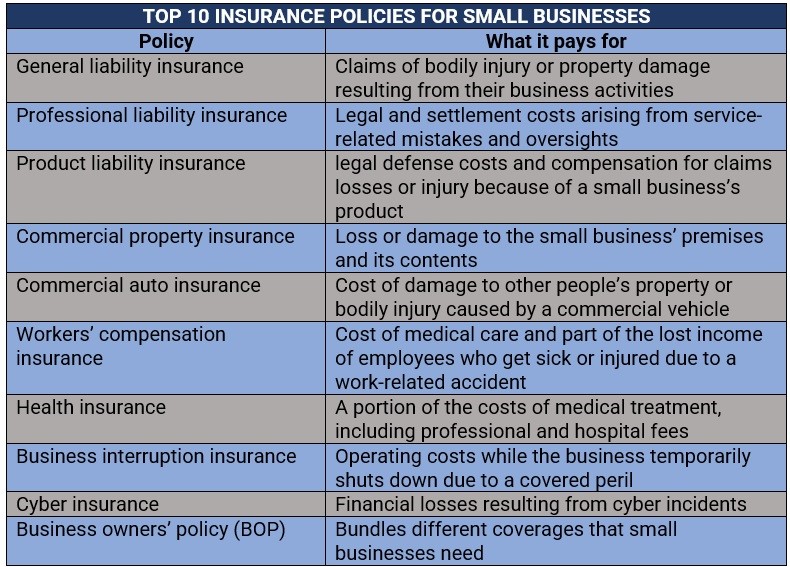
Did you know that 40% of small businesses have no insurance at all? That’s a risky game to play. Today, I’m breaking down the big three you can’t ignore.
If you’re running a business, you need to protect your assets. But not all insurance is created equal. Here is the deal: understanding the different types of insurance can save your business from financial ruin.
General Liability Insurance
This is the backbone of your business protection. General Liability Insurance covers bodily injury, property damage, and even personal injury claims. Without it, one accident could drain your bank account faster than you can say “lawsuit.”
Property Insurance
Imagine a fire or theft ripping through your inventory. Property Insurance ensures you don’t lose everything. It covers the physical location and equipment you rely on. Pro Tip: Always conduct a
full assessment
of your property to determine the necessary coverage level.
Workers’ Compensation Insurance
If you have employees, this is a must. Workers’ Compensation Insurance covers medical expenses and lost wages if an employee gets injured on the job. Without it, you could be on the hook for some serious legal fees.
Here’s a quick comparison to help you see the full picture:
| Insurance Type | Benefits | Coverage Details |
|---|---|---|
| General Liability | Protects against lawsuits | Covers bodily injury and property damage |
| Property Insurance | Safeguards physical assets | Covers buildings and inventory loss |
| Workers’ Compensation | Employee protection | Covers medical bills and lost wages |
Cost Factors of Small Business Insurance

Ever wondered why some businesses pay way more for insurance than others? It all boils down to a few crucial factors that can make or break your insurance budget.
If you’re a small business owner, understanding these cost factors is key to saving money and ensuring your business is properly protected.
Key Factors Influencing Insurance Cost
Insurance costs aren’t random. They’re shaped by specific elements like your industry risk level, the size of your business, and even your geographic location. High-risk industries, like construction, naturally have higher premiums compared to low-risk ones, such as consulting.
But that’s not all. Don’t forget about claims history. If your business has a track record of frequent claims, expect to pay more. The more claims you’ve made, the riskier you appear to insurers.
Methods for Estimating Insurance Costs
So, how can you figure out what you’ll be paying? Start by comparing insurance options tailored to businesses like yours. Check out insurance quote tools online; they’re your best friend here.
Pro Tip:
Gather quotes from at least three different insurers. This gives you a better understanding of the market rate and helps you spot any outliers.
Look at what similar companies are paying. Websites like SBA.gov or industry-specific forums can provide insights into standard insurance costs for your business type.
Calculating Potential Insurance Costs
Ready to crunch some numbers? Here’s how you can calculate potential costs using your business data. First, identify the main coverage types you need: liability, property, workers’ compensation, etc.
Next, use these criteria as a starting point:
- Annual Revenue
- Number of Employees
- Location
Plug these figures into an online insurance cost calculator. It’s not just easy; it’s crucial for budgeting efficiently.
Here’s the deal: Investing time in understanding these factors can dramatically affect your bottom line. You’ll not only be better prepared but also more financially savvy.
Best Practices for Selecting Insurance Providers
Think all insurance providers are the same? Think again. Choosing the right one can make or break your small business safety net. Here’s how you can make an informed decision.
The process isn’t as complicated as it seems, but it requires a keen eye. You need to evaluate every aspect of potential providers like you’re on a mission. Let’s break it down step-by-step.
Key Questions to Ask Insurance Providers
Before you get into the nitty-gritty of insurance policies, start with asking the right questions. This will set the tone for the rest of your evaluation. Here are some questions you should absolutely ask:
- What is the scope of coverage offered?
- How quickly does your company process claims?
- Can you provide references from other small businesses?
- Are there any hidden fees or exclusions?
- Do you offer any discounts for bundling policies?
Asking these questions upfront can save you from any unwanted surprises down the line.
Evaluating Provider Reliability and Reputation
Here is the deal: not all insurance providers are created equal. You need to dig deep into their credibility. Start by checking online reviews and ratings. A provider may talk the talk, but do they walk the walk? Look for any red flags like unresolved complaints or poor ratings.
Another critical step is to verify their financial strength. You can do this by checking their ratings on sites like A.M. Best or Standard & Poor’s. A financially stable provider is less likely to collapse when you need them the most.
Pro Tip: Always ask providers for a certificate of insurance before signing on the dotted line. This ensures they are properly licensed and regulated.
Remember, your goal is to find a provider that’s not only reliable today but in the long haul. By following these steps, you’ll be well on your way to securing the right insurance provider for your small business.
Legal and Regulatory Considerations
Did you know that failing to comply with insurance laws can shut down your business overnight? It’s true. Navigating the legal landscape of small business insurance is crucial.
Every region has its own set of rules for business insurance. And these aren’t just guidelines—they’re requirements. Miss them, and you could face hefty fines or even lose your business license.
Legal Requirements for Small Business Insurance
In the U.S., for example, workers’ compensation insurance is mandatory in most states. In others, you might need commercial auto insurance if you use a vehicle for business purposes. But regulations can vary dramatically depending on where you are.
Canada requires a different set of policies altogether. You might need general liability insurance if you’re operating in Ontario, but not if you’re in Alberta. This means you must be aware of local laws to stay compliant.
Consequences of Inadequate Insurance Coverage
Here’s the deal: cutting corners on insurance can lead to legal nightmares. If you’re underinsured and something goes wrong, you could face lawsuits that drain your finances.
For example, if a customer slips and falls at your store, lack of proper liability insurance could result in paying out of pocket for medical expenses and legal fees. These costs can be crippling for a small business.
Pro Tip: Always consult with a local insurance expert to ensure your business meets all legal requirements.
Key Legal Terms and Implications
Understanding legal jargon is essential for making informed decisions about insurance. Let’s break down some of these terms.
| Term | Implication |
|---|---|
| Workers’ Compensation | Mandatory in most regions; covers employee injuries. |
| General Liability | Covers legal fees and damages if your business is sued. |
| Business Interruption | Compensates for lost income due to unforeseen events. |
| Commercial Auto | Required if you use vehicles for business operations. |
Legal terms can be daunting, but they’re critical to protecting your business. A solid understanding of what’s required can safeguard you against unexpected legal pitfalls.
Real-Life Case Studies

Think your small business doesn’t need insurance? Think again. A single misstep without coverage can cost you everything.
Let’s dive into some real-life stories. You’ll see how insurance can be a lifesaver. And, where the lack of it can spell disaster.
Successful Coverage: The Bakery That Bounced Back
Meet Sarah. She owns a small bakery in Brooklyn. One day, a pipe burst, flooding her shop. The damages? Over $50,000. BUT here’s the deal: because Sarah had comprehensive property insurance, she was back in business in no time. Her insurance covered not just the repairs but also the income she lost during the closure.
Pro Tip: “Always opt for business interruption coverage to safeguard your income during unexpected closures.”
This case shows the power of being prepared. Sarah’s foresight with her insurance plan saved her from a financial nightmare.
The Downside: A Tech Startup’s Costly Oversight
Contrast that with Mark’s tech startup. Mark thought cyber insurance was an unnecessary expense. Until a data breach hit. Confidential client data was stolen, leading to lawsuits and lost trust. The costs soared to over $100,000. Without coverage, Mark had to pay out of pocket. His business never fully recovered, a harsh lesson in underestimating risks.
Lesson learned? Protecting sensitive data with cyber insurance is essential, not optional.
Lessons and Best Practices from the Trenches
These stories highlight a critical point: insurance is not just a safety net but a strategic investment. Here are the key takeaways for small business owners:
- Assess your risks: Every business has unique challenges. Map them out before choosing insurance.
- Don’t skimp on coverage: Cutting corners can cost more in the long run.
- Stay updated: As your business evolves, so should your insurance policies.
By learning from these real-life examples, you can avoid pitfalls and ensure your business thrives no matter what comes its way.
Closure
In conclusion, understanding and securing the right types of small business insurance is like arming your venture with an invincible shield. The right coverage not only protects your livelihood but also gives you the peace of mind to focus on what you do best—growing your business! So, as you embark on this insurance journey, remember to assess your needs, ask the right questions, and, most importantly, choose a provider who has your best interests at heart.
FAQ
What are the main types of small business insurance?
The three main types of small business insurance are General Liability Insurance, Property Insurance, and Workers’ Compensation Insurance.
How do I determine which insurance my business needs?
Assess your business risks, consider your industry requirements, and consult with an insurance professional to tailor the coverage to your specific needs.
What factors affect the cost of small business insurance?
Factors such as business size, location, industry, coverage limits, and claims history can influence the cost of your insurance.
Why is it important to assess business risks before purchasing insurance?
Assessing risks helps you choose appropriate coverage, ensuring that your business is protected against the most significant potential threats.
What questions should I ask potential insurance providers?
Inquire about the provider’s experience in your industry, coverage options, claims process, and customer service reliability.
